





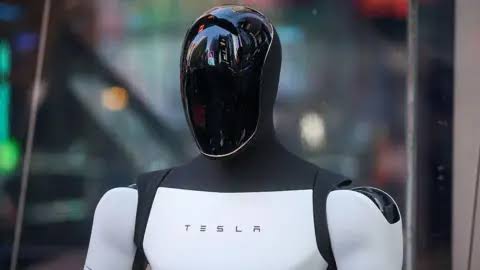
Tesla Optimus Gen 2 is a next-generation humanoid robot designed to operate in environments built for humans. As Tesla’s most advanced robotics platform to date, Optimus Gen 2 reflects a strategic move toward scalable, general-purpose humanoid robots capable of supporting both industrial operations and future household applications.
With major improvements in mobility, artificial intelligence, and dexterity, Optimus Gen 2 represents a significant milestone in the evolution of human–robot collaboration.
Design and Physical Architecture
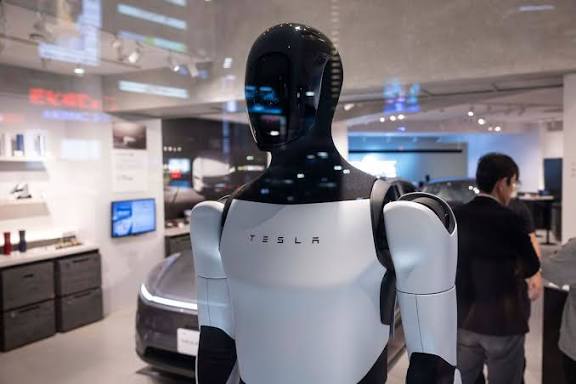
Optimus Gen 2 features a refined humanoid form factor that closely mirrors human proportions. Standing approximately 5 feet 8 inches tall and weighing around 125 pounds, the robot is engineered to navigate spaces such as factories, warehouses, offices, and homes without requiring structural modifications.
Tesla has significantly improved joint articulation in this second-generation model. Enhanced mobility in the arms, hands, torso, and legs enables smoother motion and greater balance. The exterior design is more streamlined than the previous version, reducing mechanical bulk while improving stability and energy efficiency.
Lightweight materials and optimized actuators allow the robot to perform tasks for extended periods with reduced power consumption.

Artificial Intelligence and Learning Capabilities
At the core of Optimus Gen 2 is Tesla’s advanced AI system, built on neural networks, computer vision, and real-time sensor fusion. The robot uses multiple cameras and sensors to perceive its environment, recognize objects, estimate depth, and make autonomous decisions.
One of the most important advancements is its ability to learn from real-world data. Optimus Gen 2 continuously improves performance through feedback and task repetition, allowing it to adapt to new environments and workflows without extensive reprogramming.
This learning capability makes the robot increasingly efficient over time, especially in repetitive or precision-based tasks.
Dexterity and Object Manipulation
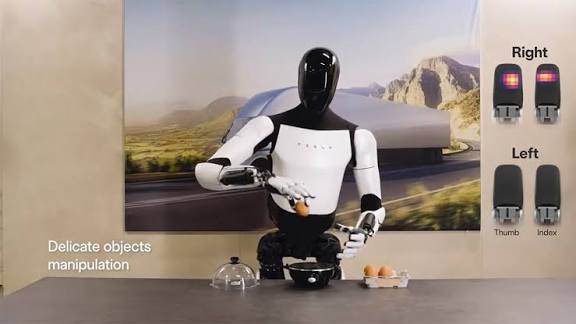
Achieving human-like hand movement remains one of the greatest challenges in humanoid robotics. Optimus Gen 2 addresses this with improved hand design and increased degrees of freedom, enabling more precise and natural object manipulation.
The robot is capable of:
Grasping objects of different sizes and shapes
Handling tools and equipment
Sorting, stacking, and organizing items
Performing light assembly and packaging tasks
These capabilities make Optimus suitable for environments where flexibility and adaptability are essential.
Industrial Applications
Optimus Gen 2 is primarily designed for industrial and commercial use. In manufacturing and logistics environments, the robot can assist with material handling, repetitive assembly tasks, inspection, and warehouse operations.
Because it is humanoid, Optimus can integrate into existing workflows without the need for specialized infrastructure. This reduces deployment costs and allows companies to scale automation more efficiently.
The robot is particularly valuable for tasks that are physically demanding, monotonous, or unsafe for human workers.
Household and Consumer Potential
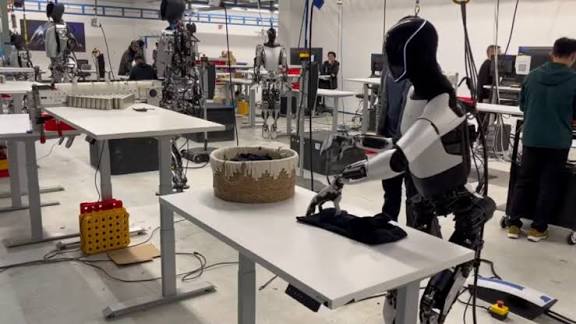
Although current deployments focus on industrial use, Tesla has indicated that Optimus Gen 2 is being developed with future household applications in mind. In domestic environments, the robot could assist with cleaning, organizing, carrying items, and performing routine household chores.
Its ability to learn user routines and adapt to specific environments positions Optimus as a long-term personal assistant rather than a fixed-function machine.
Safety and Human–Robot Interaction
Safety is a critical consideration for robots operating alongside humans. Optimus Gen 2 incorporates force-limited actuators, real-time collision detection, and controlled movement speeds to reduce the risk of injury.
The robot is designed to interact naturally with humans, responding to visual cues, voice commands, and environmental changes. Predictable motion patterns and responsive control systems help build trust in shared workspaces.

Key Metrics
Height: Approximately 5’8” (1.73 m)
Weight: Around 125 lbs (57 kg)
Degrees of Freedom: Enhanced joint mobility for precise manipulation
Primary Use: Industrial assistance and future home automation
Estimated Price: Approximately $30,000
Market Impact and Future Outlook
Tesla Optimus Gen 2 is positioned to disrupt the humanoid robotics market by combining advanced AI with cost-efficient engineering. Its estimated price point is significantly lower than many competing humanoid robots, making large-scale adoption more feasible.
As artificial intelligence, battery technology, and manufacturing processes continue to improve, Optimus Gen 2 could become a common presence in factories, warehouses, and eventually homes. Its success may redefine how humans work alongside machines and accelerate the global adoption of humanoid robotics.
Interested in Humanoid robot?
If you are planning to purchase a humanoid robot for industrial, research, or future personal applications, it is essential to work with a knowledgeable and reliable robotics provider. SamuelC Robotics connects buyers with advanced humanoid robotics solutions, practical insights, and up-to-date technology guidance to help ensure informed decisions. To explore expert reviews, buying advice, and the latest developments in humanoid robotics, visit Samuelc Robotics.


